
OEM Manufacturing
Review the glove category, specification and manufacturing arrangements for the proposed order. Confirm feasibility before treating an option as available.
CUSTOMIZATION DISCUSSION
Discuss the product and brand requirements as one program. Specific options and supply arrangements are confirmed for the proposed order.
Review the glove category, specification and manufacturing arrangements for the proposed order. Confirm feasibility before treating an option as available.
Bring your brand presentation, artwork and destination-market labelling requirements together. Agree the final version and approval responsibilities.
Discuss nitrile, vinyl / PVC, latex or synthetic / hybrid options against the intended use. Material selection does not establish regulatory or chemical suitability.
Share the preferred colour reference, size range and size mix. Available colours and dimensions require product-specific confirmation.
State the required thickness measurement points, glove weight, units and acceptance limits. Review samples and the agreed specification; no default performance value is implied.
Review pack quantities, dispenser boxes, cartons, printing and artwork. Confirm label information, packaging samples and who approves each file.
CUSTOMER REQUIREMENTS
Material, grade, size, colour, thickness or weight and intended use.
Pack format, artwork status, printing, labels and approval responsibilities.
Destination, quantities with units, documentation, sample review and named port. Timing and commercial terms require agreement.
Sample review and artwork approval serve different purposes. Record the approved reference, inspection criteria and outstanding requirements before proceeding.
A coordination framework, subject to the confirmed order. No payment terms or lead times are promised.
Product, intended use, destination and quantity.
Resolve product, branding and documentation requirements.
Identify the specification, named port of shipment and applicable terms.
Record the agreed order, approvals and responsibilities.
Plan against the confirmed product and packaging brief.
Coordinate production to the agreed specification.
Review agreed inspection criteria and packaging identification.
Complete applicable export formalities.
Delivery and risk transfer occur on board the buyer-nominated vessel.
Provide agreed shipping documents and coordinate follow-up.
For sea or inland waterway transport. The seller clears the goods for export and loads them on the buyer-nominated vessel. Risk transfers on board at the named port of shipment. The buyer arranges main carriage and import formalities. For containers handed to a carrier before loading, review whether FCA is more appropriate. Confirm the contract and applicable rule.
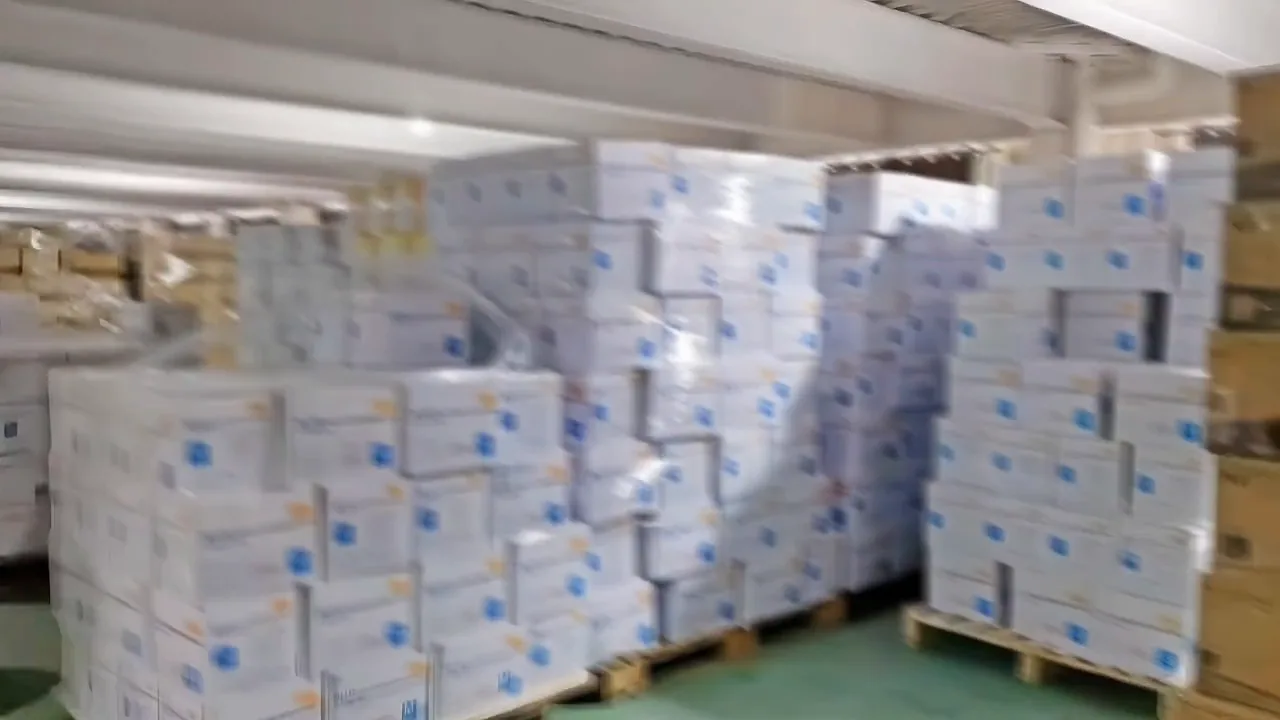
ICC guidance on FCA and FOB ↗OEM PROCESS FOOTAGE
Client details are protected in this footage.
WORK WITH LANSI
Send the product type, specifications, packaging needs and target market to start a discussion.